
by Feeling Great | Cognitive Health
Brain Fog Treatment – 8 Causes & 7 Ways to Clear It
Feeling Forgetful & Foggy? You’re Not Alone
Have you ever walked into a room and completely forgotten why you’re there? Or found yourself searching for your keys for the third time today? If so, you might be experiencing brain fog.
Many people struggle with mental fatigue, forgetfulness, and difficulty concentrating, making even simple tasks feel overwhelming. It’s like trying to think through a smokescreen—frustrating and exhausting.
Brain fog isn’t a medical condition itself but rather a symptom of an underlying issue. It can last for hours, days, or even weeks, depending on the cause.
Is It Time to Clear Your Mind? Let’s Find Out.
What Causes Brain Fog?
Brain fog can be triggered by lifestyle habits, nutritional deficiencies, or underlying health conditions. Here are the eight most common causes:
1. Lack of Quality Sleep
Poor sleep reduces brain function, making it harder to focus, remember, and process information.
2. Dehydration
Even mild dehydration reduces cognitive performance, leading to slower thinking and memory problems.
3. Chronic Stress
Prolonged stress raises cortisol levels, which can disrupt brain function and contribute to foggy thinking.
4. Food Sensitivities
Undiagnosed food intolerances can cause inflammation, bloating, fatigue, and—yes—brain fog.
5. Gut Infections
Your gut and brain are connected. An unhealthy gut microbiome can lead to mental fog and low energy.
6. Hormonal Imbalances
Menopause, thyroid dysfunction, and insulin resistance can all contribute to poor memory and brain fatigue.
7. Low Essential Nutrients
Deficiencies in iron, B12, and other key nutrients limit oxygen supply to the brain, leading to cognitive issues.
8. Poor Detoxification
A sluggish liver struggles to remove toxins, which can contribute to fatigue and brain fog.
How to Get Rid of Brain Fog Naturally
If brain fog is slowing you down, don’t worry—there are simple and effective ways to clear it. Start with these seven brain-boosting hacks:
1. Improve Your Sleep Quality
Aiming for 7-9 hours of deep, uninterrupted sleep is essential for brain function.
Try this:
- Go to bed at the same time each night.
- Avoid screens an hour before bedtime.
- Keep your bedroom cool and dark for optimal rest.
2. Stay Hydrated
Drinking at least 2 liters of water daily prevents dehydration-related brain fog.
Signs of dehydration:
- Dark urine
- Low energy
- Headaches
Try this: If plain water isn’t doing the trick, add a pinch of sea salt to improve absorption.
3. Eat Brain-Friendly Carbs
Refined carbs (cakes, white bread, sweets) cause blood sugar spikes and crashes, making brain fog worse.
Swap these for:
- Vegetables (broccoli, leafy greens, sweet potatoes)
- Fruits (blueberries, apples, bananas)
- Legumes & seeds (quinoa, lentils, chia)
4. Add Protein & Healthy Fats
Proteins and healthy fats stabilize blood sugar levels, providing sustained energy for the brain.
Great sources:
- Protein: Eggs, chicken, fish, tofu
- Fats: Avocado, nuts, olive oil, fatty fish
Try this: Start your day with a protein-rich breakfast instead of sugary cereals.
5. Move Your Body Daily
Physical activity increases oxygen flow to the brain, improving mental clarity.
Try this:
- Take a 20-minute walk
- Do a 10-minute high-intensity workout
- Join a yoga or gym class
Consistency is key!
6. Manage Stress & Prioritize Self-Care
Chronic stress depletes DHEA, a hormone crucial for brain health.
Try this:
- Take a hot bath
- Go for a barefoot walk in nature
- Practice deep breathing or meditation
Even 10 minutes of relaxation daily can make a difference.
7. Check Your Iron & B12 Levels
Low iron and B12 reduce oxygen supply to the brain, causing fatigue and poor focus.
Check your levels if you experience:
- Ongoing fatigue
- Pale skin
- Dizziness
Try this: Book a blood test to assess your nutrient levels.
When to Seek Professional Help
If brain fog persists despite lifestyle changes, it may be due to underlying health issues. Here’s when to dig deeper:
1. You Might Need a Detox
- Toxins from processed foods, alcohol, and pollution can overload your liver. A guided detox every 6-12 months can reset your system.
Book a detox consultation today.
2. Food Sensitivities Could Be the Culprit
- Brain fog often pairs with bloating, sinus issues, or digestive discomfort. Food intolerance testing can help identify problem foods.
Schedule a test here.
3. Gut Infections Disrupt Brain Function
- A history of stomach bugs, recurrent thrush, or digestive issues may indicate an infection affecting cognitive clarity.
Get tested to restore gut health.
4. Hormonal Imbalances Are Impacting Memory
- Low estrogen, progesterone, or testosterone can impair memory and concentration.
Book hormone testing if you have mood swings, PMS, or irregular periods.
5. Your Thyroid Might Be Sluggish
- Symptoms like constant tiredness, sugar cravings, and feeling cold can signal an underactive thyroid.
Check your thyroid levels here.
6. Thyroid Medications May Need Adjustments
- If you’re on thyroid meds but still feel foggy, your treatment may need fine-tuning.
Get personalized thyroid support here.
Ready to Clear Brain Fog for Good?
Brain fog doesn’t have to be your normal! Start with these simple strategies, and you can also read this Insomnia Struggles share your thoughts with us! and if you need more support, book a consultation today.
📢 Which of these tips are you going to try first? Let me know in the comments!

by Feeling Great | Body, Mind
How to Stop Eating Junk Food and Lose Weight – 10 WAYS TO CURB CRAVINGS FOR BAD FOODS
Junk food is a term used to describe foods with little nutritional value. Foods that have a high sugar or salt content can also be described as junk food, as they may be harmful to health. Examples of junk foods include salty snacks, candy, many sugar laden desserts and fried fast food. These foods are low in vitamins, minerals and proteins. For this reason, the calories provided by them are often termed “empty calories”. – Livestrong
On Thursday I posted a colourful little diagram on Facebook on How to Control your Food cravings & thought……..
ohhhh a couple of people may be interested in this.

Well…..that is 5,778 people to be exact.
So I am guessing this is what you would like to hear more about.
Well here it is….
How to Stop Eating Junk Food and Lose Weight – 10 Ways to curb bad food cravings?
1. Get rid of the junk food out of your house
Cakes, doughnuts, soft drink, fried foods, lollies, white bread, pasta, chips, artificial sweeteners, white flour baked products.
2. Eat more fibre from fruit, vegetables, nuts, seeds and wholegrains (quinoa, buckwheat, brown rice, millet)
Fibre keeps you fuller for longer & kills all your sugar cravings.
Munch on a carrot, nibble on an apple.
It also helps you lose weight faster by filling up your stomach quicker so making you eat less.

3. Make sure 30% of your diet is protein
This includes eggs, nuts, chicken, fish, seeds, tofu, legumes (chickpea, borlotti beans, lentils, etc), kangaroo, lamb, beef, tempeh.
Like fibre, protein keeps you satisfied for longer because ……
Protein helps regulate your blood sugar & it makes your body release appetite suppressing hormones (cholecystokinin, GLP-1).
4. Drink more water
When you get dehydrated you will get very hungry in an attempt to get more water to re-hydrate itself.
Drinking 1 large glass of water 15 minutes before meals will reduce or appetite or make you eat less. Give it a try!
5. You can drink a glass of vegetable juice before meals
Studies have shown that drinking vegetable juice before meals suppresses your appetite by making you eat 565 less kilojoules at each meal.
6. Get fibre, protein and water at every meal to …
Regulate your blood sugar because when your blood sugar is out of whack you’ll crave for more food.
So you will eat more and gain more weight.
For example, if you eat some almonds & veggies for fibre, and some tuna or chicken for protein and if you wash it down with water before or a little during the meal. You won’t have any food cravings for at least 3-5 hours.
The water helps the undigested fibre in your stomach expand to make you feel fuller for longer.
7. Don’t get stressed out – relax more.
When you get stressed out you usually overeat because your body releases cortisol that makes you hungry.
8. Use this phrase to stop cravings – “I DON’T EAT THAT!”
9. Eat after a workout
If working out increases your appetite then you can quickly and easily get rid of those cravings by eating within 1-2 hours of finishing your workout.
Look at tip #6 above for an idea of what to eat after your workout to keep you satisfied for longer.
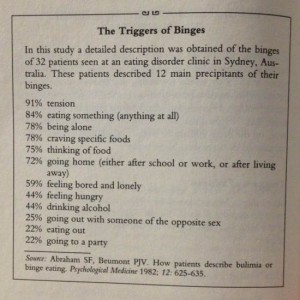
10. Understand why you go on a binge & plan appropriately
I hope this helps to demystify the subject just a little.
Let me know if it proves to be useful.
Would love to hear your story.
Just send me an email or comment on my Facebook page.

by Feeling Great | Energy/Fatigue, Mental Wellbeing
Practice Belly or Diaphragmatic Breathing for Better Health
Diaphragmatic Breathing – Are You Breathing the Right Way?
Breathing is something we do every moment of the day, but are you doing it correctly? Many people unknowingly breathe too shallowly, which can lead to tension, fatigue, and poor oxygenation.
When breathing is too shallow, oxygen struggles to reach every cell in your body. This affects your muscles, metabolism, energy levels, and even digestion. But there’s good news—by practicing diaphragmatic breathing, you can increase oxygen flow, improve endurance, and even enhance mental clarity.
Ready to learn how? Keep reading!
What Is Diaphragmatic Breathing?
Diaphragmatic breathing, also called belly breathing or deep breathing, is a natural and relaxed way to breathe. It involves using your diaphragm, a muscle located between your chest and abdomen, to draw air deep into your lungs.
Unlike shallow breathing, which causes the chest to rise, belly breathing makes the abdomen expand outward. This method activates the parasympathetic nervous system, signaling your body to relax, repair, and recover.
Why Is This Important?
Shallow breathing keeps your body in a state of stress, while deep breathing:
- Delivers more oxygen to your cells
- Reduces stress and anxiety
- Boosts digestion and detoxification
- Enhances mental clarity and focus
- Improves sleep quality
How to Practice Diaphragmatic Breathing
Learning this technique is simple. Follow these steps to train your body to breathe the right way:
1. Find the Right Position
Stand, sit up straight, or lie down comfortably with your shoulders relaxed.
2. Inhale Slowly
Breathe in through your nose, drawing air deep into your belly. You should feel your abdomen expand outward.
3. Pause for a Moment
Hold your breath for a second or two to allow oxygen to circulate.
4. Exhale Gently
Breathe out slowly through your nose, ensuring your exhale lasts twice as long as your inhale.
5. Repeat 10 Times
Practice this at least three times a day for the best results.
💡 Pro Tip: Try using a breathing ratio like 4-16-8 (inhale for 4 seconds, hold for 16, exhale for 8).
The Challenge: Try It Today!
Give diaphragmatic breathing a try and notice how your stress levels drop in just a few deep breaths. Need more guidance? Contact us today!
If you’re interested in Meditation? or interested about Instant Boost with Confidence and Energy and read my blog so I can help you!

by Feeling Great | Body, Mind
Self-Care: Getting Your Spark Back
Why Self-Care Matters
One of life’s greatest challenges is caring for others—spouses, children, friends, family, and coworkers—while staying true to ourselves. It’s easy to get lost in responsibilities, but we must remember that our happiness is our responsibility.
Society often sends the message that prioritizing yourself is selfish. However, that couldn’t be further from the truth. Self-care isn’t selfish—it’s essential. When you nurture yourself, you stay healthy, happy, and energized, allowing you to give back to others from a place of fullness rather than depletion.
Ignoring self-care leads to burnout, exhaustion, and even resentment. Over time, joy fades, negativity takes over, and vitality disappears. By honoring your needs, dreams, and desires, you become a role model for others, showing them that happiness and well-being are choices.
Simple Ways to Prioritize Self-Care
If You Have 1 Minute:
- Close your eyes and take deep, slow breaths.
- Say positive affirmations like, “I am worthy of happiness.”
- Stretch, dance, or strike a yoga pose.
- Write down three things that make you smile.
- Gently rub your temples or brush your hair to stimulate relaxation.
5 Minutes:
- Step outside, stand in the sunshine, and take a deep breath.
- Play your favorite song and dance like no one’s watching.
- Send a text or photo to brighten a friend’s day.
- Make a quick list of five self-care activities to do this week.
- Use a dry skin brush to refresh and boost circulation.
30 Minutes:
- Eat a healthy meal outside, free from distractions.
- Soak in a warm bath with candles and essential oils.
- Curl up with a book and lose yourself in another world.
- Walk in nature and reconnect with the earth.
- Sit in stillness, close your eyes, and just be.
1 Hour or More:
- Get a massage to relieve tension and restore balance.
- Join a yoga or meditation class.
- Go for a swim, bike ride, or nature walk.
- Declutter your space—freeing your mind as well as your home.
Keep Your Spark Alive
Self-care is not a luxury; it’s a necessity. The more you invest in yourself, the more energy and joy you bring into your life and the lives of those around you. Schedule self-care daily and watch your spark return!
Want to dive deeper into the secrets of reigniting your passion for life? Check out my book: Sizzle, Not Fizzle! Secrets to Bringing the Spark Back into Your Life. It’s packed with practical tips to help you feel vibrant, energized, and truly alive again!
Great gift. Click here to buy online.

by Feeling Great | Mental Wellbeing, Spirit
Naturopath Mental Health: The Six Human Needs
Why Do We Do the Things We Do?
Our Mental Health is our needs on what drives us. They create desire, motive, and influence our actions. But have you ever wondered why humans behave the way they do? The answer lies in the six fundamental needs that shape our emotions, actions, and ultimately, our destinies.
Every person is influenced by these six basic human needs. All behavior is simply an attempt to satisfy these needs. These needs affect our quality of life, relationships, and overall sense of fulfillment.
The Six Human Needs
1. Certainty
This need provides assurance that we can avoid pain and gain pleasure. It is the desire for security and survival, which drives our actions toward stability and predictability in life.
2. Uncertainty/Variety
Humans crave change and novelty. The need for variety pushes us to seek out the unknown, new experiences, and excitement. It’s what keeps life engaging and dynamic.
3. Significance
We all have an inherent desire to feel unique, important, and valued. This need drives us to seek recognition and a sense of importance in our lives, both from others and within ourselves.
4. Connection/Love
This need is all about forming meaningful relationships. Whether with others or a sense of connection to something greater, humans need to feel a strong bond and unity with others.
5. Growth
Personal growth is essential to our sense of well-being. This need involves expanding our capacity, capability, and understanding, leading us to continuously improve ourselves.
6. Contribution
Giving back and helping others is another fundamental human need. The desire to contribute to the well-being of others gives us purpose and a sense of fulfillment.
What Makes Us Different?
While these six needs are universal, what differs is how we value them. Are you primarily driven by certainty and significance? Or do you place higher value on connection and contribution, or perhaps variety and growth?
These values show up in every aspect of our lives. For instance, someone who values variety might live a more spontaneous lifestyle compared to someone who prioritizes certainty and seeks stability.
People meet these needs in various ways, often with unique approaches. For example, some individuals may seek certainty by controlling every aspect of their life, while others embrace faith and relinquish control. Similarly, the need for variety may be fulfilled through travel, hobbies, or trying new things, creating excitement and engagement in life.
The Desire for Fulfillment
At the core of human behavior is the desire for a meaningful life. Fulfillment comes from continuously growing and contributing beyond oneself. These two spiritual needs play a crucial role in achieving a deep sense of satisfaction and purpose.
Dysfunctional Behavior and Unmet Needs
When we fail to meet our needs consistently, we may settle for comfort or attempt to fulfill them on a smaller scale. Dysfunctional behaviors often stem from an inability to satisfy these core needs in healthy ways.
It’s essential to replace disempowering ways of meeting these needs with strategies that empower both ourselves and others. Recognizing which needs are driving you, particularly in times of stress or difficulty, can help you shift your behaviors toward positive outcomes.
What Drives You?
Take a moment to reflect: which needs most often appear in your life, especially when facing stress or challenges? Understanding your driving forces can help you break old patterns and replace them with empowering choices.
What is the primary force that drives your life? Which needs do you value most?
Creating Lasting Fulfillment
The key to lasting fulfillment is understanding where you currently stand and how these needs influence your life. By recognizing your core needs and expanding your choices, you can pave the way for a more fulfilling, empowered life.
Understanding these six needs and how they influence your behavior can help you create positive new patterns that lead to lasting fulfillment. – Tony Robbins
There is no greater force in shaping your destiny than the needs you value most.
Naturopath Mental Health Services
Are you ready to explore the power of understanding your core needs? Whether you’re in Melbourne or anywhere across Australia, Naturopath Mental Health services and online video consultations can support you in achieving lasting well-being. Get in touch today to begin your journey to fulfillment.
Learn what is directing your life from the inside out and how to change it if it isn’t working for you. Contact me today for a free no obligation phone consultation. Available in person or online video consults.
You can also read my ‘How to Influence Others Positively‘ and tell me what you think about it!

by Feeling Great | Mind
4 Antidotes to Feeling Stuck, Overwhelmed & Depressed
Feeling Stuck? You’re Not Alone
Feeling Stuck like Emma when she sat across from me, shoulders slumped, face pale, and eyes filled with sadness. She had just turned 50 and was taking stock of her life—a process that left her feeling stuck, overwhelmed, and deeply depressed.
“I’m on my third antidepressant, and I’m not getting any better. In fact, I feel worse,” she admitted.
I’d heard this story many times. As a pharmacist, I had dispensed countless boxes of antidepressants, yet very few people experienced a miraculous shift in happiness.
Emma’s life felt like a series of never-ending struggles—her marriage was barely holding on, her energy was at an all-time low, and she had left work due to a lingering shoulder injury. On top of that, she was constantly caring for aging parents and navigating the challenges of raising two teenage boys. She was running on empty, stuck in survival mode.
She needed real solutions, not just another prescription.
Why Antidepressants Alone May Not Be the Answer
Antidepressants can be a short-term reset button for some, but they don’t work for everyone. Many women find that while medication numbs the pain, it also increases anxiety, lowers libido, and triggers emotional eating.
The truth? Long-term healing requires more than just a pill.
Your mental, physical, and emotional health are all connected. Low energy, hormonal imbalances, poor diet, unresolved trauma, and toxic relationships can all contribute to depression.
Emma was done with the medication merry-go-round and ready to make real changes. After a thorough assessment—bloodwork, hormone testing, lifestyle coaching, and habit tracking—we built a plan that worked for her.
Within two visits, she had more energy, renewed confidence, and a clear vision for her future.
If you’re feeling stuck like Emma, here are four powerful antidotes to get you moving forward again.
4 Powerful Antidotes when Feeling Stuck
1. Energy – Your Foundation for Change
Energy isn’t just about how you feel mentally—it’s about how your cells function. It fuels your brainpower, mood, and ability to take action.
When energy levels are low, everything feels harder. You retreat, avoid challenges, and struggle to stay motivated.
Boost Your Energy Today:
- Prioritize deep, restorative sleep
- Eat nutrient-dense, whole foods
- Move your body daily, even for 20 minutes
- Reduce stress by setting boundaries & saying no
When your body has energy, you’ll naturally feel more motivated, resilient, and ready to take on life.
2. Clarity – Get Clear on Your Future
One of the biggest causes of feeling stuck is lack of direction. If you don’t know where you’re going, it’s easy to feel lost.
Ask Yourself:
- What does my ideal life look like one year from now?
- Am I reacting to life’s chaos or creating a future I love?
- What small steps can I take right now to move forward?
Clarity comes from action, not just thinking. Even if you get off track, you’ll learn along the way. The key is to start moving.
3. Self-Love – Build a Strong Inner Foundation
What’s happening inside you reflects what’s happening outside you.
If you feel unworthy, unlovable, or not enough, it’s time for inner work.
How to Start Practicing Self-Love:
- Identify what makes you unique & valuable
- Speak to yourself with kindness & compassion
- Stop seeking external validation—love yourself first
When you build a strong foundation of self-worth, your confidence and happiness naturally grow.
4. Manage Your Emotional State
Your emotional state affects every decision you make. When you’re in a bad state, you’ll make poor choices.
Simple Ways to Reset Your Mood:
- Listen to uplifting music or inspiring podcasts
- Move your body—dance, walk, or stretch
- Spend time in nature & breathe fresh air
- Surround yourself with supportive people
Before making big decisions, check your emotional state. Choose to act from a place of clarity, not exhaustion.
Final Thoughts – Small Changes, Big Results
The hardest part of change isn’t knowing what to do—it’s doing it consistently.
Emma’s transformation didn’t happen overnight. But with the right tools, she broke free from feeling stuck, overwhelmed, and depressed.
If you’re having an Emma moment, I’m here to help. Book an appointment today, and let’s create a plan for you.
“We’re all walking each other home.” – Ram Dass ✨
Much love,
Julie XX


