
by Feeling Great | Energy/Fatigue
10 Tips to Get More Energy Naturally
Feeling Drained? Here’s How to Regain Your Energy
Struggling to get through the day? Feeling exhausted, unmotivated, and overwhelmed? If your energy levels are running low, it’s time to take a step back and reset.
When I start feeling flat, I check in with myself. Often, I realize:
- I haven’t been kind to myself.
- My nutrition and time management are off.
- I’ve dropped my healthy habits.
- I have nothing exciting to look forward to.
- I’m focusing on what’s missing instead of what’s present.
The good news? Small changes can make a big impact. Here are 10 simple ways to naturally boost your energy.
1. Start Your Day Right
Mornings set the tone for the entire day. Create a morning routine that fuels your body and mind:
- Begin with deep breathing or meditation (10 minutes).
- Drink two large glasses of water.
- Move your body—run, stretch, or do Pilates.
- Fuel up with a green smoothie or protein-packed breakfast.
Start strong, and your day will follow suit.
2. Prepare Your Meals in Advance
Food fuels your energy, but unhealthy choices can leave you sluggish. Avoid last-minute meal decisions by prepping food in advance.
- Batch-cook soups like lentil, minestrone, or pumpkin.
- Make a green smoothie to sip throughout the day.
- Plan meals 48 hours ahead to stay on track.
Having nourishing meals ready to go means no excuses for poor food choices.
3. Spend Time Outdoors
Fresh air, natural light, and movement instantly boost energy. Whether it’s sunshine on your skin or the sound of waves crashing, nature resets your mind and body.
- Walk, jog, or cycle in a park.
- Stroll barefoot on the beach.
- Go for a bushwalk or a hike.
Even if it’s raining, throw on a jacket—it’s just water, not acid… haha!
4. Practice Daily Gratitude
Energy isn’t just physical—it’s mental too. Shifting your mindset to gratitude helps you feel lighter, happier, and more motivated.
- Write down five things you’re grateful for each day.
- Reflect on positive moments before bed.
- Keep a gratitude journal for 21 days and see the difference.
Even Oprah has done this for over 20 years!
5. Prioritize Self-Love
If you don’t value yourself, you won’t take care of yourself. Make time for self-care activities that fill your cup:
- Dance to your favorite music.
- Soak in a bath.
- Watch the sunset.
- Walk barefoot in the park.
When you love and respect yourself, you naturally make choices that boost your energy and well-being.
6. Strengthen Your Social Connections
Humans thrive on connection. If you’ve been feeling drained, consider how much time you spend engaging with others in meaningful ways.
- Join a sports club, book group, or creative class.
- Call or meet up with a friend for a deep conversation.
- Host a dinner or coffee catch-up.
Social bonds increase happiness and energy—make time for them!
7. Get Enough Sleep
Your body recharges at night, so getting quality sleep is essential. Aim to be in bed by 9:30 or 10 PM with a calming routine:
- Meditate or stretch.
- Read a book (not on a screen).
- Journal your thoughts.
Going to bed refreshed, not just exhausted, makes all the difference.
8. Take Breaks from Screens
Constant screen exposure drains your energy more than you realize. Set boundaries for electronics-free time:
- No screens after 9 PM (goodbye, scrolling).
- Take a weekend or full-day digital detox.
- Spend quiet time reading, thinking, or simply being.
Less screen time = more mental clarity and energy.
9. Stay Hydrated
Your body is 70% water, and dehydration leads to fatigue. Keep your energy high by:
- Drinking 2.5L of water daily (adjust for body size).
- Swapping coffee for herbal tea or clear soups.
- Cutting back on caffeinated drinks and alcohol.
Harvard Medical School confirms that water is the best performance booster—not pricey sports drinks!
10. Reduce Sugar Intake
Sugar isn’t just in candy—it’s in bread, pasta, rice, and processed foods. Too much can cause energy crashes and cravings.
- Swap chocolate for a healthy cacao drink.
- Choose fresh fruit over processed snacks.
- Increase protein intake (nuts, seeds, chicken, legumes) to keep blood sugar stable.
More savory foods like hummus, guacamole, and nuts will keep energy levels steady.
Boost Your Energy & Feel Amazing Again
Implementing even a few of these tips can make a huge difference. More energy means better focus, improved mood, and greater productivity.
If you need to read about Time Management Techniques? Read This!
Need help figuring out why your energy is low? Book a session CLICK HERE, and let’s get to the root of it.
“Take care of your body. It’s the only place you have to live.” – Jim Rohn
by Feeling Great | Weight Loss
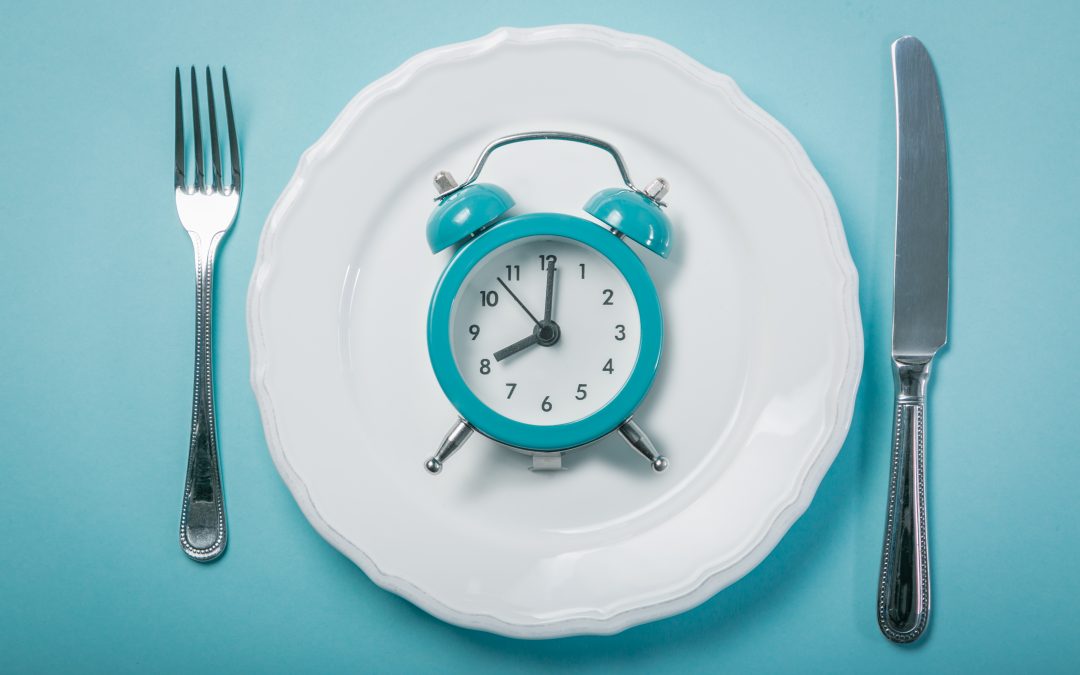
Intermittent Fasting – Why and How?
Intermittent fasting is a hot topic in the health and wellness world. You might even be tempted to dismiss it as just another trend. But before you do, consider this—I’ve seen incredible transformations in clients who struggled with weight loss, inflammation, high blood sugar, and poor liver function, despite making all the “right” lifestyle choices.
Fasting has been part of human history for thousands of years. Many cultures have practiced it for spiritual, survival, and health-related reasons. Today, however, we eat constantly—not just for nourishment but also for comfort, socializing, celebrations, and emotional relief.
Could taking a break from eating be the key to better health? Let’s explore what intermittent fasting is, how it works, and why it might be exactly what your body needs.
What Is Intermittent Fasting?
Intermittent fasting (IF) is not a diet—it’s an eating pattern that alternates between periods of eating and fasting. Rather than focusing on what you eat, IF focuses on when you eat.
During fasting periods, you give your digestive system a rest, allowing your body to focus on repair, detoxification, and fat burning. You can still drink water, herbal teas (like peppermint, chamomile, or lemongrass and ginger), and black coffee—just avoid anything with calories or sweeteners.
Why Intermittent Fasting Works
Your body is constantly processing food, which takes a lot of energy. Every time you eat, your insulin levels rise, making it difficult to burn stored fat for energy.
However, once you’ve been fasting for 8–12 hours, your insulin levels drop, and your body switches into fat-burning mode. This process, known as metabolic flexibility, allows you to use stored energy efficiently.
On a deeper level, fasting activates survival mechanisms. When food is scarce, your body repairs itself, removes damaged cells, and boosts longevity. It’s a natural process designed to keep you healthy and thriving.
Health Benefits of Intermittent Fasting
1. Weight Loss & Fat Burning
Many people struggle to lose weight even when they eat clean, exercise, and manage stress. If this sounds familiar, intermittent fasting could be the missing piece.
In my clinic, I’ve seen consistent and sustainable weight loss with the 16:8 method (fasting for 16 hours, eating within an 8-hour window).
Pro Tip: Exercising at the end of your fast—before eating—can accelerate fat loss and boost energy levels.
2. Gut Health & Digestion
Your gut works hard to process food. By giving it a break, you allow your body to focus on healing, detoxifying, and rebuilding.
Intermittent fasting also improves gut bacteria balance, reducing bloating, inflammation, and food cravings. Many people notice a reset in their appetite, making it easier to eat intuitively.
3. Blood Sugar & Insulin Sensitivity
If you struggle with blood sugar spikes, cravings, or energy crashes, fasting can stabilize glucose levels and improve insulin sensitivity.
This makes IF highly beneficial for people with prediabetes, Type 2 diabetes, or fatty liver disease.
4. Reduces Inflammation & Supports Healing
Chronic inflammation is linked to aging, heart disease, cancer, and autoimmune disorders.
Fasting activates your body’s repair mechanisms, reducing oxidative stress and lowering inflammation throughout your body.
5. Boosts Longevity & Anti-Aging
Studies on long-living populations show that eating less may extend lifespan. Many centenarians report eating one meal a day or having periods of fasting throughout life.
There’s truth in the old saying:
“The less you eat, the longer you live.”
6. Brain Health & Mental Clarity
Fasting triggers the production of brain-protecting molecules, helping to prevent memory loss, improve focus, and slow neurodegenerative diseases like Alzheimer’s.
Many people also experience enhanced mental clarity, productivity, and mood stability.
7. Heart Health & Disease Prevention
Intermittent fasting improves key heart health markers, including:
- Blood sugar regulation
- Lower blood pressure
- Reduced inflammation
- Improved cholesterol balance
If you have a family history of heart disease, fasting could be a powerful prevention tool.
Ways to Practice Intermittent Fasting
There are several fasting methods, so you can choose one that fits your lifestyle.
1. 16:8 Method (Most Popular & Beginner-Friendly)
- Fast for 16 hours, eat within an 8-hour window.
- Example: Eat from 11 AM – 7 PM, fast from 7 PM – 11 AM.
- You can adjust your window based on your schedule.
This method is flexible—you can do it daily, on weekdays, or a few times per week.
2. 5:2 Diet (Whole Food Fasting)
- Eat normally for 5 days.
- On 2 non-consecutive days, limit calories to 600 (men) or 500 (women).
- Focus on nutrient-dense, whole foods like vegetables, nuts, and lean proteins.
This approach works well for people who prefer structure but don’t want to fast daily.
3. 24-Hour Fast (Once or Twice a Week)
- Fast from dinner to dinner (24 hours).
- Example: Eat at 7 PM, then fast until 7 PM the next day.
- Ideal for experienced fasters looking for a deeper reset.
This method is great for reducing inflammation and enhancing fat-burning and cellular repair.
Tips for a Successful Fasting Experience
- Stay Hydrated – Drink plenty of water, herbal teas, and black coffee.
- Start Slowly – Begin with 12-hour fasts and increase gradually.
- Listen to Your Body – Some hunger is normal, but extreme fatigue or dizziness means you may need to adjust.
- Be Patient – Your body adapts over time. Stick with it, and you’ll notice changes in energy, appetite, and mood.
- Eat Whole Foods – Focus on nutrient-dense, unprocessed meals when breaking your fast.
Is Intermittent Fasting Right for You?
Intermittent fasting isn’t one-size-fits-all, but it’s definitely worth trying. Many people experience:
- Steady weight loss
- Better digestion & gut health
- Balanced energy & improved mood
- Sharper mental focus
- Long-term disease prevention
Have you tried intermittent fasting? What results have you seen? Share your experience in the comments!
Need Help Getting Started?
If you’re curious but not sure where to begin, let’s create a plan tailored to your needs. Whether you’re looking to lose weight, improve digestion, or boost your overall health, intermittent fasting could be your game-changer.
Interested about the connection of Food and Emotions? You can read more about it and share with us your thoughts!
Book a consultation today! Book Here! Let’s find the best approach for you.

by Feeling Great | Hormones, Weight Loss
Natural Remedies for Insulin Resistance
Tired, Hungry, Gaining Weight? Here’s How to Stop It for Good
Do you often feel exhausted, constantly hungry, or notice unwanted weight gain? Are your afternoons filled with energy crashes, or do you find yourself waking at night to use the bathroom? Maybe you’re feeling thirstier than usual?
These symptoms could be signs of insulin resistance—a condition affecting an estimated 500,000 Australians who don’t even realize they have it. Many people assume it’s just part of getting older and dismiss it. But here’s the truth: you can absolutely do something about it!
When your blood sugar is unbalanced, your body is at risk for diabetes, high cholesterol, weight gain, hormone imbalances, and more. The good news? Insulin resistance can be reversed naturally! Let’s break it down and explore simple, natural remedies that can help you regain your energy, balance your hormones, and feel amazing again.
What Is Insulin Resistance?
Insulin is a hormone produced by the pancreas that helps your body absorb glucose from the bloodstream and use it for energy.
But when you have insulin resistance, your cells stop responding to insulin properly. This means your body needs more insulin to do the same job. Over time, your pancreas works harder and harder—until it can’t keep up anymore.
When this happens, blood sugar levels rise, and you might start experiencing:
- Fat accumulating around your waist
- Constant tiredness and irritability
- Sugar cravings for biscuits, pasta, and sweets
- Achy joints and hormonal imbalances
- Higher risk of prediabetes, diabetes, and chronic health issues
Many people think insulin resistance appears suddenly. It doesn’t. It develops over time, often going unnoticed for years. The key is early awareness and taking action now!
What Causes Insulin Resistance?
Several factors contribute to insulin resistance, including:
- Eating too many sugary foods and refined carbs (cakes, pasta, bread, sweets, alcohol)
- Chronic stress that keeps blood sugar levels high
- Poor sleep that disrupts hormone balance
- Lack of physical activity
- Vitamin D deficiency
- Excess belly fat that increases inflammation
- Hormonal imbalances affecting your thyroid, adrenals, and sex hormones
The question is—can it be reversed? Absolutely!
Menopause & Insulin Resistance: The Hidden Link
Women going through perimenopause and menopause have a higher risk of developing insulin resistance due to fluctuating estrogen levels.
As estrogen shifts, it affects the entire endocrine system, making blood sugar levels harder to regulate. When combined with existing hormonal imbalances, this can create a perfect storm—leading to weight gain, fatigue, mood swings, and poor concentration.
But the great news is: balancing insulin naturally can help stabilize your hormones and relieve these frustrating symptoms!
Natural Remedies for Insulin Resistance
1. Balance Blood Sugar With Smart Eating
The best way to fight insulin resistance is through your diet. Focus on:
- Protein-rich meals (chicken, fish, eggs, tofu) to stabilize energy
- Healthy fats (avocados, olive oil, nuts) to keep you full longer
- Fiber-packed vegetables to slow blood sugar spikes
- Low-glycemic fruits (berries, apples) instead of sugary snacks
Avoid processed foods, white bread, pasta, sodas, and sugary treats!
2. Reduce Inflammation Naturally
Chronic inflammation makes insulin resistance worse. Combat it with:
- Turmeric & ginger—natural anti-inflammatories
- Omega-3 fatty acids—found in salmon, flaxseeds, and walnuts
- Green tea & herbal teas—reduce oxidative stress
By cutting down inflammation, you help your body absorb insulin more effectively.
3. Prioritize Sleep & Stress Management
Lack of sleep increases stress hormones, which drive up blood sugar levels. Try:
- 7–9 hours of quality sleep per night
- Daily relaxation practices—like deep breathing, journaling, or meditation
- Cutting back on caffeine—especially in the afternoon
The more relaxed your body is, the better it can regulate insulin.
4. Move Your Body to Boost Insulin Sensitivity
Exercise forces your muscles to use glucose, making it one of the best ways to fight insulin resistance.
The best workouts include:
- Strength training (weights, resistance bands)
- Cardio (walking, cycling, dancing)
- High-intensity interval training (HIIT)
Pro tip: Exercising before eating can increase fat-burning and improve insulin sensitivity even faster!
5. Try Intermittent Fasting for Insulin Control
Fasting gives your body a break from constantly processing food, allowing insulin levels to drop naturally.
Best fasting methods for insulin resistance:
- 16:8 method—Eat within an 8-hour window, fast for 16 hours
- 5:2 diet—Eat normally for 5 days, reduce calories for 2 days
- 24-hour fasts—Done once or twice a week for a deeper reset
Many of my clients have seen dramatic improvements in energy and weight loss by adding intermittent fasting to their routine.
Take Control of Your Health—Starting Today!
Insulin resistance isn’t a life sentence. With the right strategies, you can balance your blood sugar, prevent diabetes, and feel amazing again.
If you’ve been struggling with weight gain, energy crashes, and sugar cravings—it’s time to take action.
💡 Need help creating a personalized plan? At Feeling Great Health Solutions, I specialize in holistic approaches to balancing blood sugar, improving energy, and optimizing overall wellness.
If you want to read about Intermittent Fasting and If you find this helpful we love hearing your thoughts!
📅 Book a consultation today and let’s get you back to feeling your absolute best!
You deserve to feel fantastic every day!

by Feeling Great | Energy/Fatigue, Mental Wellbeing
The Miracle Morning by Hal Elrod – Transform Your Day in Just 6 Minutes
Start Your Morning Right & Transform Your Day
Transform Your Day Now! Tired of waking up groggy, hitting snooze, and feeling scattered all day? Want to live with purpose, energy, and clarity instead of just going through the motions?
Hal Elrod’s Miracle Morning routine is a game-changer! His powerful SAVERS method can transform your mornings—and your life—in as little as six minutes a day.
“Love the life you have while you create the life of your dreams. Don’t think you have to choose one over the other.” – Hal Elrod
The SAVERS Method to Transform Your Day – 6 Steps to a Powerful Morning
1. S for Silence
Instead of rushing into the day stressed and overwhelmed, start with a moment of intentional silence. Sit quietly, breathe deeply, and allow your mind to settle. You can:
- Practice gratitude
- Listen to a guided meditation
- Simply sit with your feet on the floor and focus on your breath
2. A for Affirmations
Speak positive affirmations with confidence. These remind you of your goals, potential, and strengths. Try:
- “Life is happening for me, not to me.”
- “I am grateful, courageous, and unstoppable.”
- “How can I improve on the greatness that already exists?”
3. V for Visualization
Close your eyes and imagine your goals as if they’ve already happened. Picture the success, the joy, the results—feel them deeply. Your brain doesn’t know the difference between reality and imagination, so this step trains your mind for success.
4. E for Exercise
Moving your body increases blood flow, energy, and mental clarity. Even five minutes makes a difference! Options include:
- Stretching for flexibility
- Jogging, skipping, or yoga
- Strength training (arms, abs, legs)
5. R for Reading
Feed your mind with inspiring, uplifting content. Read or listen to something that expands your knowledge, mindset, or skills. Even one page or five minutes can create new insights. Great choices include:
- Wayne Dyer, Deepak Chopra, Brene Brown, Tony Robbins
- Audiobooks, blogs, podcasts, or motivational videos
6. S for Scribing (Journaling)
Take a moment to write down three key things:
- 3 things you’re grateful for
- 1 thing you’re proud of
- Top 1-3 goals for the day
Journaling creates clarity, motivation, and focus so you can take action with purpose.
Make It a Habit & Watch Your Life Transform
Start small—just one minute per step—or take a full hour of power like I do. My personal routine includes:
- 30 minutes of exercise
- 10-20 minutes of meditation
- A few minutes for affirmations, visualization, reading, and journaling
Transform Your Day! Imagine waking up energized, motivated, and focused every day. How would that impact your life? Start today. Make it a must. Watch your days improve and your dreams unfold!
If you want to read more about adding fun to your day? Read This! If this inspired you, share it with others!
Book Here, to book a session with me and start feeling great!

by Feeling Great | Cognitive Health, Gut Health
The Antidepressant Dilemma: Mood & Gut Connection – What Are Your Options?
Feeling Stuck? Let’s Explore Your Choices with Mood & Gut
Struggling with low mood, anxiety, or brain fog? Feeling like you’re on an emotional rollercoaster? Maybe you’ve visited your doctor and now have a prescription for antidepressants in hand. But is that your only option?
After 20 years dispensing antidepressants, I saw firsthand that while they may help in the short term, they often don’t provide lasting happiness. That’s why I stepped away from the counter and now offer natural, long-term solutions to support mental well-being from the root cause.
Your Mood & Gut: The Connection You Need to Know
Before making a decision, consider this—your gut health directly affects your mood. Ever had a “gut feeling” or butterflies in your stomach? That’s because your gut and brain are constantly communicating.
Here’s something groundbreaking: 90% of serotonin is produced in the gut—only 10% comes from the brain! Yet many antidepressants work by recycling serotonin in the brain, rather than supporting the gut where most of it is made.
It makes sense to optimize gut health first, rather than applying a quick fix that doesn’t address the root issue.
6 Natural Ways to Support Mood & Gut Health
1. Cut Down on Sugar & Processed Carbs
- Swap biscuits for an orange, or cake for veggie sticks and hummus. Studies show high sugar intake can increase the risk of Alzheimer’s and mood disorders.
2. Eat More Fiber-Rich Foods
- Load up on vegetables, fruits, nuts, and whole foods. A good rule of thumb? One handful of protein, three handfuls of veggies per meal.
3. Increase Healthy Fats
Your brain thrives on good fats like:
- Avocados, eggs, nuts, seeds, and coconut oil
- Omega-3-rich foods like salmon and flaxseeds
- Avoid fried foods and hydrogenated oils found in packaged snacks.
4. Move Your Body Daily
Exercise boosts brain health and energy. Try:
- 20 minutes of aerobic activity (walking, jogging, dancing)
- Keep your heart rate at 180 minus your age for optimal benefits.
5. Practice Gratitude & Stress Management
High stress damages gut bacteria and increases inflammation. Daily habits like:
- Gratitude journaling
- Meditation or deep breathing
- Forgiveness and compassion
can make a big difference in balancing emotions.
6. Minimize Gut Disruptors
Certain medications and lifestyle habits harm gut health. Reduce or avoid:
- Acid-reducing meds (Nexium, Losec, Ranitidine)
- Antibiotics unless necessary
- Processed foods and trans fats
Need Support? Let’s Create a Plan Together
If you’re looking for natural, sustainable solutions to support your mood, energy, and gut health, I can help! Book a consultation at my naturopathic clinic in Corowa or schedule an online video call.
I’ve helped thousands of clients regain their well-being, and they’ve never felt better. Supporting your body naturally beats a temporary fix every time!
Read about 4 Antidotes when Feeling Stuck, Overwhelmed, and Depress? or you can also read the Mental Health Holistic Approach and if you find this is helpful, we love to hear your thoughts!
Book now for your personalized health plan.
Wishing you a healthy, happy day!
Julie xx (Naturopath, Life Coach, Pharmacist)
PS: Did you know you absorb the microbiome of those around you just by breathing? The human body is truly fascinating!

by Feeling Great | Body
Cold-Fighting Remedies – 10 Ingredients from Grandma
Natural Ways to Beat a Cold with Cold-Fighting Remedies
Cold-Fighting Remedies? You know that feeling—a sore throat, stuffy nose, and low energy creeping in. When a cold starts, all you want is relief.
Grandma always had a remedy that worked like magic. While we can’t bottle her wisdom, we can share 10 powerful cold-fighting ingredients she would have used.
These natural remedies, along with a nutrient-rich diet of fresh vegetables, fruits, nuts, seeds, and lean proteins, help your body recover quickly. Try one or combine a few to get back on your feet faster!
Get Well the Natural Way with Cold-Fighting Remedies
These 10 cold-fighting approved remedies are simple, effective, and easy to make at home. Try one or combine a few to support your immune system and fight off colds faster.
1. Garlic – A Natural Cold Fighter
Garlic contains allicin, known for its antiviral, antibacterial, and immune-boosting properties. It’s a powerful remedy for colds and flu.
- Add raw garlic to soups, meals, or herbal teas.
- Chop half a clove and take it with orange juice.
- Suck on a peeled clove like a lozenge for a sore throat.
- Apply crushed garlic mixed with ghee to the soles of your feet before bed.
2. Ginger – Clears Congestion & Soothes Throats
Ginger helps reduce fever, loosen mucus, and improve circulation. It also supports detoxification and eases congestion.
- Grate fresh ginger into hot water, steep for 5 minutes, and add lemon and honey.
- Drink ginger tea throughout the day to ease symptoms.
3. Clove – A Natural Pain Reliever
Clove contains eugenol, a natural compound that numbs sore throats and has antibacterial properties.
- Suck on a whole clove like gum until soft, then chew.
- Use as needed for throat pain relief.
4. Onion – A Homemade Cough Syrup
Onions work as a natural antibiotic and expectorant, helping to clear mucus and boost immunity.
- Slice one onion and layer it in a jar with raw honey.
- Let it sit overnight to release the healing liquid.
- Take 3 tablespoons per hour for cough relief.
5. Salt Water Gargle – Eases Sore Throats
A warm saltwater gargle reduces swelling, clears mucus, and soothes irritation.
- Mix ½ teaspoon sea salt in 1 cup warm water.
- Gargle for 30 seconds and repeat 3 times a day.
6. Eucalyptus Oil – Clears Nasal Congestion
Eucalyptus oil acts as a natural decongestant and antiseptic to open up nasal passages.
- Add a few drops to boiling water in a bowl.
- Lean over with a towel over your head and inhale deeply.
7. Apple Cider Vinegar – Fights Bacteria & Soothes Throats
Apple cider vinegar’s acidity kills bacteria and loosens mucus, making it a great cold remedy.
- Mix 1 tablespoon ACV with warm water and honey and drink.
- Gargle with 2 tablespoons ACV in ½ cup warm water for a sore throat.
8. Turmeric – A Powerful Antioxidant
Turmeric is anti-inflammatory, antiviral, and packed with antioxidants to support healing.
- Add to soups, smoothies, or golden milk for an immunity boost.
9. Chamomile – Soothes Throats & Helps Relax
Chamomile has natural pain-relieving and antibacterial properties. It also relaxes muscles, helping you rest.
- Steep chamomile tea for 10 minutes and drink often.
- Add honey and lemon for extra relief.
10. Licorice Root – Soothes & Protects the Throat
Licorice root is antiviral, anti-inflammatory, and helps reduce irritation in the throat.
- Combine chopped licorice root, cinnamon, cloves, and chamomile in a jar.
- Boil 3 tablespoons of the mix in 2.5 cups of water for 10 minutes.
Final Thoughts: Heal Naturally & Recover Fast with Cold-Fighting Remedies
These grandma-approved remedies, the Cold-Fighting Remedies are simple, effective, and packed with immune-boosting benefits. Try one or mix a few to fight off colds quickly.
Tried these remedies? Share your favorites in the comments below! Stay well and feel better soon.


