
by Feeling Great | Energy/Fatigue
Naturopathic Doctor Melbourne – 5 Ways to Stay Motivated in Winter
Stay Active and Energized This Winter
Winter is all about warm comfort foods, cozy blankets, and crackling fires. No wonder it’s tempting to stay indoors when the temperature drops! But just because it’s cold outside doesn’t mean your motivation has to freeze too! Here’s Ways to Stay Motivated in Winter.
If you feel like you “should” exercise, your mind will naturally resist. Instead of forcing yourself, why not make movement fun? A small shift in mindset can make a huge difference. This season, focus on joyful activities and creative ways to stay active. Here are five simple ways to keep your energy levels up and your winter motivation alive.
5 Ways to Stay Motivated in Winter
1. Try Online Yoga or Pilates
No need to leave the house—just grab your phone, tablet, or smart TV and follow along with a YouTube Yoga or Pilates session. There are millions of free videos, so you’ll always find something that suits your level.
- Gentle stretching warms up your body and improves flexibility.
- Inverted poses boost circulation and energy.
- Practicing at home means you can move at your own pace.
Plus, you can roll out your mat anytime—morning, lunch break, or before bed!
2. Dance, Dance, and Dance Some More!
Dancing isn’t just for parties—it’s a great way to move your body and boost your mood. Turn up the volume and let loose!
- Dance in your living room while making breakfast.
- Put on headphones and move while walking in the park.
- Have a kitchen dance party while cooking dinner.
It’s fun, energizing, and totally counts as exercise!
3. Bounce Your Way to Better Health
Rebounding (using a mini trampoline) is a fantastic low-impact workout. Whether it’s light bouncing or on-the-spot jogging, it has powerful benefits:
- Stimulates the lymphatic system – Helps remove toxins.
- Easy on the joints – A great alternative to running.
- Quick & effective – Just 5 minutes in the morning and 5 in the evening makes a difference.
No trampoline? No problem! Jumping on the kids’ trampoline works just as well.
4. Get Outside – Wind, Rain, or Shine
Winter walks, bike rides, or even a jog in the rain can be invigorating. The fresh air and movement wake up your body and mind.
- Embrace the wild and free feeling of being in nature.
- Remember, “It’s only water, not acid—just do it!”
- Warm up after with a hot tea, shower, or cozy blanket.
Prefer to stay dry? Swimming in an indoor pool is a great way to keep moving, and you can treat yourself to a relaxing sauna afterward.
5. Nourish Your Body with Healthy Comfort Foods
Staying healthy in winter isn’t just about exercise—it’s also about fueling your body with the right foods.
- Swap sugary breakfasts for quinoa porridge or green smoothies.
- Enjoy protein-packed eggs—scrambled, boiled, poached, or in a Mexican frittata.
- Warm up with nourishing soups and stews that keep you satisfied.
By eating well now, you’ll feel amazing all season—and avoid the summer panic when it’s time to shed the layers!
Listen to Your Body and Have Fun!
The key to staying active in winter is finding joy in movement. When you choose activities that make you feel good, motivation comes naturally. Which tip will you try this week? Have your own ideas? Share them in the comments!
Here’s another information about Healthy Winter Tips – 2 Essentials or you can read the Polar Bear Cold-Water Plunges and if you find this helpful, share your thoughts with us! Need extra help? CLICK HERE to book a consultation with me.

by Feeling Great | Body
2 Essentials for Staying Healthy This Winter – Best Winter Wellness Tips
Healthy Winter Tips – Did you know the key to wellness this winter is a great inner terrain? How do you tell if your inner terrain is NOT right?
-
Did you know that your immune system is your best defense against winter colds, flu, and fatigue? A strong inner terrain keeps you energized, focused, and resilient. But when it’s off balance, low energy, brain fog, and inflammation can take over.
Signs Your Immune System Needs Support
✔ Morning & afternoon fatigue
✔ Inflamed, achy joints
✔ Craving sugar
✔ Irritability & restlessness
✔ Weight gain around the middle
If you experience these symptoms, your immune system may already be struggling. This can lead to sore throats, persistent coughs, blocked sinuses, or even autoimmune conditions like asthma, eczema, or arthritis.
What Is Your Immune System?
Your immune system is made up of white blood cells that protect you from bacteria, viruses, and other invaders. These cells have two main jobs:
✔ Fighting infections outside your cells
✔ Repairing damage inside your body
A healthy immune system works efficiently, keeping you energized, clear-headed, and balanced. But stress, poor diet, toxins, and gut issues can weaken it, making you more vulnerable to illness.
2 Essentials for Staying Healthy This Winter
1. Identify and Address Immune System Challenges
Several factors can weaken your immune system and leave you feeling drained.
Common Causes of a Weakened Immune System
🚫 Nutrient Deficiencies: Low levels of iron, zinc, B12, and vitamin D affect immune function.
🚫 Food Additives & Chemicals: Processed foods contain preservatives, pesticides, and artificial ingredients that burden your system.
🚫 Heavy Metals: Exposure to lead, mercury, and aluminum can harm your immunity.
🚫 Poor Gut Health: Your gut houses 80% of your immune system. Bloating, reflux, or constipation may signal deeper issues.
🚫 Chronic Stress: Stress overworks the adrenal glands and thyroid, weakening your immune defenses.
A strong immune system starts with finding and eliminating these underlying challenges.
2. Support Your Immune System Daily
Small daily habits can dramatically boost your immune response.
How Maria Rebuilt Her Immunity
Maria came to my office constantly sick, exhausted, and overwhelmed. She struggled to get out of bed and had no energy for job hunting. After testing, we found she had gut infections, food intolerances, leaky gut, and nutrient deficiencies.
Within a few months, she transformed:
✔ More energy & balanced mood
✔ No longer gets sick
✔ Feels optimistic & landed a job she loves
2 Key Steps to Strengthen Your Immune System
Step 1: Remove Immune-Suppressing Foods
🚫 Cut back on sugar: Excess sugar weakens your immune system and feeds bad bacteria.
🚫 Avoid processed foods: Packaged meals contain preservatives and fillers that stress digestion.
🚫 Ditch hydrogenated oils: Canola, soybean, and corn oil trigger inflammation. Choose olive oil, coconut oil, or ghee instead.
If you suffer from bloating, reflux, constipation, or stomach pain, you may have leaky gut syndrome. Healing your gut can boost immunity and prevent illness.
Step 2: Add Probiotic Foods & Gut-Healing Nutrients
Your gut health is directly linked to your immune strength. Adding probiotic-rich foods can help balance bacteria and support digestion.
Best Probiotic & Gut-Healing Foods
🥬 Fermented Vegetables: Sauerkraut & kimchi contain enzymes and probiotics to aid digestion.
🥛 Kefir & Yogurt: Fermented dairy supports gut balance & immunity. Try coconut kefir for a dairy-free option.
🍵 Kombucha: A fermented tea rich in good bacteria and digestive enzymes.
🍲 Bone Broth: Packed with gelatin, amino acids, and minerals, it repairs the gut lining and reduces inflammation.
A strong digestive system leads to a strong immune system. If your gut is in balance, your body can fight infections better.
Final Thoughts: Plan for a Healthy Winter
Winter doesn’t have to mean low energy, frequent colds, or sluggish digestion. By removing harmful foods and adding immune-boosting nutrients, you can feel vibrant and strong all season long.
🌿 Need help figuring out what’s weakening your immune system? Let’s create a plan that gives you 80% of the results with just 20% effort. Book a consultation today!
CLICK HERE to book in for an immune system overhaul or a minor tweak now.
To good health this winter, Julie XX
by Feeling Great | Body
Autoimmune Specialist Naturopath Australia Online
Gut, Thyroid, and the Immune System Connection
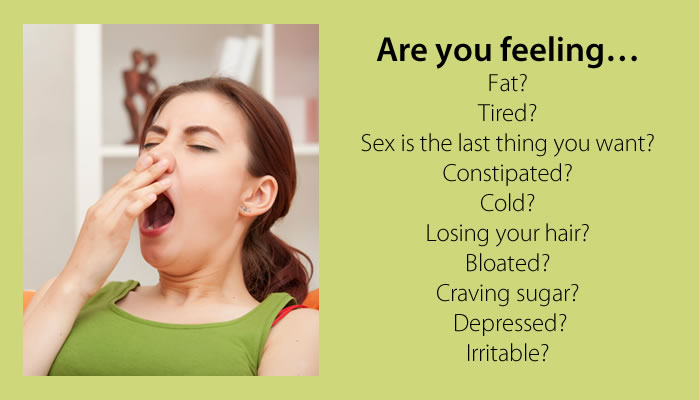
Autoimmune thyroid disease often runs in families, but it can skip generations. It also affects more women than men. According to the Thyroid Foundation, when autoimmune disease is present, multiple symptoms can develop.
If you have a thyroid condition, there is a 90% chance it is autoimmune-related. This means that your own immune system is mistakenly attacking your thyroid gland, leading to inflammation and dysfunction.
As with any autoimmune disorder, the immune system turns against specific body parts. For example:
- Rheumatoid arthritis targets the joints
- Coeliac disease affects the gut
- Type 1 diabetes impacts the pancreas
- Multiple sclerosis damages the nerves
In thyroid autoimmune conditions, this process is known as thyroiditis. It includes Hashimoto’s disease, which slows the thyroid down (hypothyroidism), and Graves’ disease, which speeds it up (hyperthyroidism).
Why Gut Health Is Essential for Autoimmune Healing
Did you know that 80–85% of the immune system is in the gut? The gut’s beneficial bacteria regulate immune responses, protect against harmful invaders, and help absorb nutrients. However, when gut bacteria become imbalanced, immune function weakens.
A damaged gut can lead to:
- Chronic infections
- Allergies and food intolerances
- Frequent colds and infections
- Increased autoimmune activity
Maintaining a healthy gut is essential for balancing the immune system and supporting thyroid health. If gut health is compromised, the immune system may continue attacking the thyroid and other organs, leading to worsening symptoms.
How Diet Affects Autoimmune Conditions
A poor diet can disrupt gut bacteria, trigger inflammation, and weaken immune function. Consuming processed foods, sugar, and additives can lead to nutrient deficiencies, digestive issues, and toxic buildup.
Common gut-damaging factors include:
- Antibiotics and medications
- Stress and environmental toxins
- Food sensitivities (gluten, dairy, soy, etc.)
By eliminating inflammatory foods and focusing on nutrient-rich, whole foods, you can support gut healing, reduce autoimmune flare-ups, and restore immune balance.
If you have an autoimmune thyroid condition, diet alone may not be enough. Identifying and addressing food intolerances, gut imbalances, and hidden infections is key to long-term healing.
Are you ready to take control of your health? Start by restoring your gut and supporting your immune system naturally!
That’s what I’m here for your Naturopath Autoimmune Specialist Online Australia – to decode it all and formulate a plan that works for you! So, CLICK HERE to book in for video consult to get you started today.
by Feeling Great | Body
Is the Ketogenic Diet Right for You?
Have you ever wondered if a ketogenic diet could help you lose weight, boost energy, and improve mental clarity? Many people have transformed their health by making the switch, but is it the right fit for you?
A Real-Life Keto Success Story
Recently, I ran into an old friend who had lost 13 kilos and looked happier and healthier than ever. Naturally, I asked what she had been doing to achieve such incredible results.
She shared, “My back pain was unbearable, and I knew I had to lose weight. I started a ketogenic diet, and it has been life-changing. Surprisingly, I haven’t felt hungry, and my energy levels are higher than ever! My partner even joined me for support.”
Her secret formula for success?
- ✔ Following ketosis for fat loss
- ✔ Support from a loved one
- ✔ A strong motivation to reduce pain
So, could ketosis be the missing piece in your health journey? Let’s find out.
How Does the Ketogenic Diet Work?
In a standard diet, your body primarily burns carbohydrates for energy, breaking them down into glucose. While it can also burn protein and fat, carbohydrates are the easiest fuel source, so they are used first.
In contrast, a ketogenic diet shifts your body’s fuel source to fat instead of carbohydrates. By consuming high fats, moderate protein, and minimal carbs, your body runs out of glucose and starts producing ketones from fat instead. This process, called ketosis, helps your body burn fat more efficiently.
Macronutrient Breakdown of a Ketogenic Diet
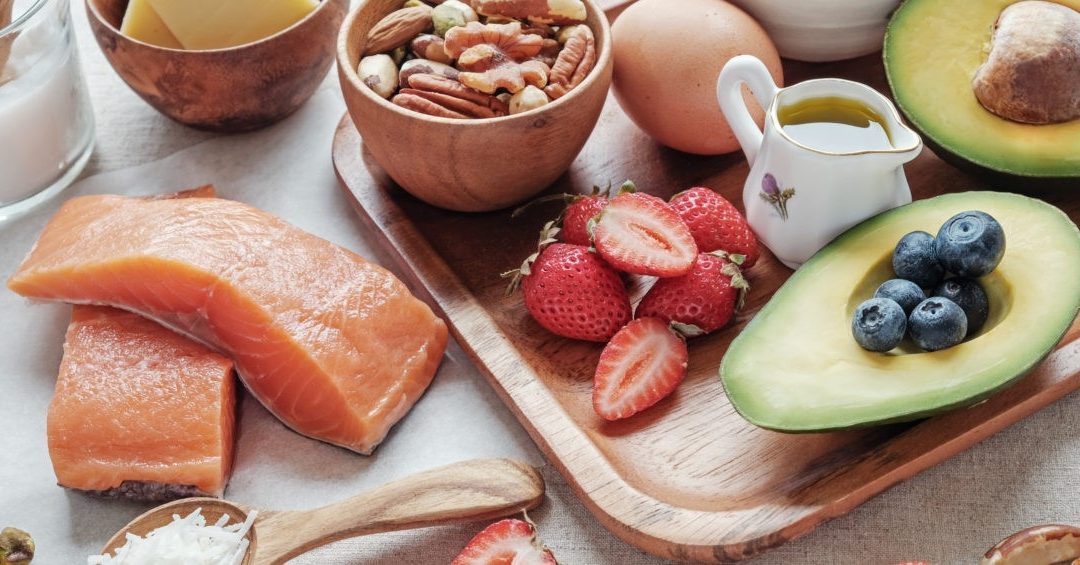
- ✔ 50% healthy fats – Avocado, nuts, seeds, egg yolks, organic meats, coconut
- ✔ 30% protein – Fish, organic poultry, tofu, tempeh
- ✔ 20% complex carbs – Leafy greens, non-starchy vegetables, legumes, low-fructose fruits (e.g., berries)
Who Can Benefit from a Ketogenic Diet?
A well-structured keto diet can help many people reach their health goals.
Keto Works Well For:
- ✔ Weight Loss – Your body burns fat for fuel, leading to fat loss and better insulin sensitivity.
- ✔ Athletes – A keto-adapted body uses fat as a steady energy source, avoiding blood sugar crashes.
- ✔ People with Digestive Issues – Some individuals feel better on high-fat, low-carb diets.
- ✔ Those Who Struggle with Low-Fat Diets – If low-fat eating leaves you feeling unsatisfied or tired, keto might be a better fit.
Who Might Struggle with Keto?
While many people thrive on a ketogenic diet, it’s not for everyone. Some conditions can make it harder to absorb fats or convert them into energy.
- 🚫 Digestive Sensitivity – If high-fat meals upset your stomach, keto may be difficult.
- 🚫 Mitochondrial Conditions – Some genetic disorders affect how your body processes fat for energy.
- 🚫 Pancreatitis – Chronic pancreas inflammation can make digesting high-fat meals uncomfortable.
- 🚫 Gallbladder Issues – If you have gallstones or no gallbladder, fat digestion can be harder.
Is Keto Right for You?
The ketogenic diet has helped thousands of people lose weight, boost mental focus, and feel their best. But just like any diet, it’s not one-size-fits-all.
Before starting keto, consider working with a naturopath. They can:
- ✔ Evaluate your health goals
- ✔ Identify potential challenges
- ✔ Create a tailored keto plan for success
Many people who follow a well-structured keto diet report feeling clearer, lighter, and more energized. Could this be the right path for you?
🌿 Thinking about trying keto? Book a consultation and let’s find out if it’s your perfect fit! Interested about Natural Remedies for Insulin Resistance? or read about Struggling with Weight Loss you can share with us your thought, we love to hear helpful ideas from you!
Have a ketosis question? Love to hear from you or book in to get started today.
Julie x Naturopath, pharmacist, life coach/ +61438593523/ juliesmethurst.info@gmail.com
*Permission obtained from Metagenics Australia to repurpose graphics and content.

by Feeling Great | Hormones, Mental Wellbeing
How to Stop Food Cravings Naturally
12 Weird & Effective Ways to Curb Food Cravings
Food cravings can feel uncontrollable, making it harder to lose weight and keep it off. Often, these cravings aren’t due to real hunger but rather emotional triggers, habits, or nutrient imbalances.
Highly processed, sugary foods are the most common culprits, but the good news is that cravings can be managed naturally.
Ready to take control? Try these 12 powerful and science-backed strategies to reduce food cravings and support a healthy, balanced lifestyle.
12 Tips to Stop Food Cravings
1. Use Blue Plates for Meals
This may sound strange, but blue is a natural appetite suppressant! Studies show that eating from blue plates or using blue napkins reduces food intake.
- On the flip side, red, yellow, and orange tend to increase appetite, which is why fast-food chains often use these colors.
Try this: Swap your dinnerware for blue and see if it helps you eat more mindfully!
2. Smell Vanilla to Trick Your Brain
The sweet aroma of vanilla can reduce sugar cravings by fooling your brain into thinking it has already satisfied its sweet tooth.
Try this: Keep a vanilla-scented candle, essential oil, or vanilla bean nearby when cravings strike.
3. Wait It Out – Cravings Don’t Last Forever
Cravings typically last only 15-20 minutes. If you distract yourself, you’ll likely forget about the craving altogether.
How to tell real hunger from cravings:
- If an apple sounds appealing, you’re likely hungry.
- If only cookies, chips, or sweets sound good, it’s just a craving.
Try this: When cravings hit, go for a walk, read a book, or call a friend.
4. Add More Spices to Your Food
- Replacing sugar and salt with cinnamon, cloves, and ginger not only adds flavor but also curbs cravings.
Why it works:
- Cinnamon helps stabilize blood sugar.
- Cloves reduce sugar cravings.
- Spicy foods boost metabolism and reduce appetite.
Try this: Sprinkle cinnamon on oatmeal, coffee, or smoothies!
5. Get Enough Sleep to Control Hunger Hormones
- Lack of sleep increases ghrelin, the hormone that makes you feel hungrier. It also lowers leptin, which tells your brain you’re full.
- Aim for at least 7 hours of quality sleep to help regulate appetite.
Try this: Establish a consistent bedtime routine and avoid screens before bed.
6. Exercise to Reduce Hunger
- Regular movement balances hunger hormones and naturally reduces appetite.
- A study found that 30 minutes of exercise helps people eat fewer calories throughout the day.
Try this: Take a short walk before meals or add strength training to your routine.
7. Take Vitamin B3 for Sugar Control
Vitamin B3 supports blood sugar regulation, which can help reduce sugar cravings and even curb alcohol cravings.
Try this: Include B3-rich foods like turkey, chicken, salmon, and peanuts in your diet.
8. Avoid Artificial Sweeteners – They Make Cravings Worse
Artificial sweeteners trick the brain, making it crave more sugar rather than less.
Instead, choose:
- Natural sweeteners like honey or dates.
- Whole foods that offer natural sweetness without artificial chemicals.
Try this: Swap diet soda for sparkling water with lemon.
9. Eat Dark Chocolate to Satisfy Sweet Tooth
Dark chocolate (at least 70% cacao) helps suppress cravings better than milk chocolate.
Why it works:
- The bitter taste reduces appetite.
- Stearic acid in dark chocolate slows digestion, keeping you full longer.
Try this: Enjoy two small squares of dark chocolate when cravings hit.
10. Try Tofu – It Contains a Natural Appetite Suppressant
Tofu contains genistein, a compound that helps reduce hunger.
🛠 Try this: Add tofu to stir-fries, smoothies, or salads for a plant-based protein boost.
11. Take a 15-Minute Walk to Reduce Cravings
Research from the UK found that a short 15-minute walk can cut cravings by 12%.
Try this: Next time a craving strikes, step outside, stretch, or do light movement.
12. Visualize Yourself Eating the Craved Food
Sounds odd, but a study found that people who imagined eating their favorite foods ate 61% less when they actually had them.
Try this: Close your eyes and picture yourself eating the food you’re craving. Your brain will feel more satisfied without overindulging.
Ready to Take Control of Your Food Cravings?
Food Cravings don’t have to control you! Try one or two of these natural strategies and see what works best for you.
Need personalized support? Book a consultation today—I’d love to help you achieve your health and wellness goals! 💚✨
I have a tips on how to stop feeling hungry all the time! Read This. Which of these tips will you try first? Let me know in the comments!

by Feeling Great | Body, Mind
How to Stop Eating Junk Food and Lose Weight – 10 WAYS TO CURB CRAVINGS FOR BAD FOODS
Junk food is a term used to describe foods with little nutritional value. Foods that have a high sugar or salt content can also be described as junk food, as they may be harmful to health. Examples of junk foods include salty snacks, candy, many sugar laden desserts and fried fast food. These foods are low in vitamins, minerals and proteins. For this reason, the calories provided by them are often termed “empty calories”. – Livestrong
On Thursday I posted a colourful little diagram on Facebook on How to Control your Food cravings & thought……..
ohhhh a couple of people may be interested in this.

Well…..that is 5,778 people to be exact.
So I am guessing this is what you would like to hear more about.
Well here it is….
How to Stop Eating Junk Food and Lose Weight – 10 Ways to curb bad food cravings?
1. Get rid of the junk food out of your house
Cakes, doughnuts, soft drink, fried foods, lollies, white bread, pasta, chips, artificial sweeteners, white flour baked products.
2. Eat more fibre from fruit, vegetables, nuts, seeds and wholegrains (quinoa, buckwheat, brown rice, millet)
Fibre keeps you fuller for longer & kills all your sugar cravings.
Munch on a carrot, nibble on an apple.
It also helps you lose weight faster by filling up your stomach quicker so making you eat less.

3. Make sure 30% of your diet is protein
This includes eggs, nuts, chicken, fish, seeds, tofu, legumes (chickpea, borlotti beans, lentils, etc), kangaroo, lamb, beef, tempeh.
Like fibre, protein keeps you satisfied for longer because ……
Protein helps regulate your blood sugar & it makes your body release appetite suppressing hormones (cholecystokinin, GLP-1).
4. Drink more water
When you get dehydrated you will get very hungry in an attempt to get more water to re-hydrate itself.
Drinking 1 large glass of water 15 minutes before meals will reduce or appetite or make you eat less. Give it a try!
5. You can drink a glass of vegetable juice before meals
Studies have shown that drinking vegetable juice before meals suppresses your appetite by making you eat 565 less kilojoules at each meal.
6. Get fibre, protein and water at every meal to …
Regulate your blood sugar because when your blood sugar is out of whack you’ll crave for more food.
So you will eat more and gain more weight.
For example, if you eat some almonds & veggies for fibre, and some tuna or chicken for protein and if you wash it down with water before or a little during the meal. You won’t have any food cravings for at least 3-5 hours.
The water helps the undigested fibre in your stomach expand to make you feel fuller for longer.
7. Don’t get stressed out – relax more.
When you get stressed out you usually overeat because your body releases cortisol that makes you hungry.
8. Use this phrase to stop cravings – “I DON’T EAT THAT!”
9. Eat after a workout
If working out increases your appetite then you can quickly and easily get rid of those cravings by eating within 1-2 hours of finishing your workout.
Look at tip #6 above for an idea of what to eat after your workout to keep you satisfied for longer.
10. Understand why you go on a binge & plan appropriately
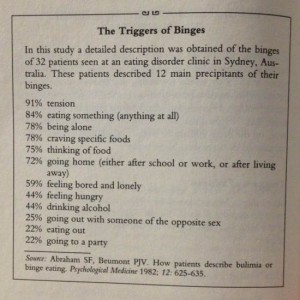
I hope this helps to demystify the subject just a little.
Let me know if it proves to be useful.
Would love to hear your story.
Just send me an email or comment on my Facebook page.


